Lovers of Country Music

Beautiful Collection of Country Songs

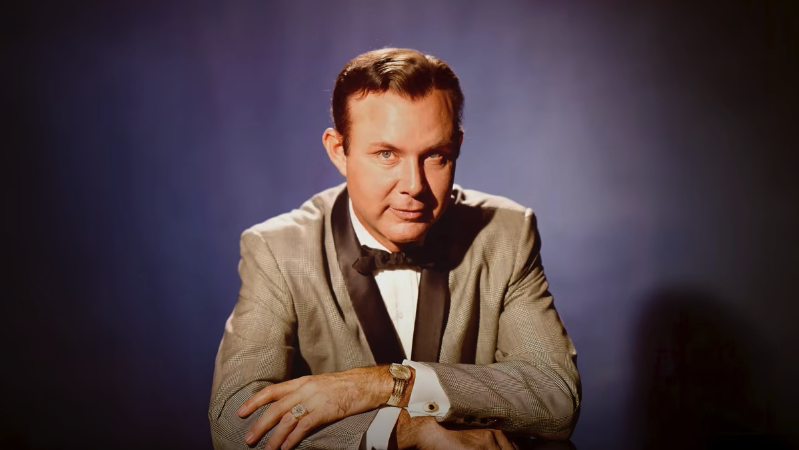
Jim Reeves Classic Gospel Country Song: “Across the Bridge”

Stepping into the golden era of country music, Jim Reeves’ timeless 1960 recording of “Across the Bridge” remains a masterclass in emotional storytelling and vocal warmth. Known affectionately as “Gentleman Jim” for his velvety baritone and sophisticated stage presence, Reeves bridges the gap between traditional country twang and the lush, orchestral sounds of the Nashville Sound. In this hauntingly peaceful gospel song, the lyrics serve as a powerful metaphor for leaving earthly troubles behind and finding ultimate rest. The gentle acoustic picking, combined with rich, harmonious backing vocals, creates an atmosphere of quiet reflection that feels both intimate and grand.

For anyone navigating the stresses of modern life, “Across the Bridge” offers a timeless reminder about the human desire for peace and safe harbor. Even if you aren’t familiar with classic country or gospel music, the sheer beauty of Reeves’ phrasing makes the song universally relatable. It captures a moment of transition—crossing over troubled waters into a place of complete calm. As you listen, notice how Reeves doesn’t need to shout to make an impact; his smooth, soothing delivery invites you to pause, breathe, and appreciate a piece of musical history that has comforted generations.

About Jim Reeves

Jim Reeves, often hailed as one of the most influential figures in country music, left an indelible mark on the genre with his smooth baritone voice and heartfelt lyrics. Born on August 20, 1923, in Galloway, Texas, Reeves’s journey from a small-town boy to a celebrated musical icon is a testament to his talent and enduring appeal. In this blog post, we will explore the life and career of Jim Reeves, highlighting his contributions to country music and his lasting legacy. In the late 1940s, Jim Reeves began recording for independent labels. However, it was not until he signed with RCA Victor in 1955 that his career truly took off. His unique blend of traditional country and pop elements resonated with audiences, allowing him to bridge the gap between genres.

The late 1950s marked the pinnacle of Jim Reeves’s career. With hits like “Four Walls,” “He’ll Have to Go,” and “Welcome to My World,” he captivated listeners across the globe. His ability to convey deep emotions through song made him a favorite among fans and critics alike. Notably, “He’ll Have to Go” became one of his signature songs, showcasing his smooth vocal style and storytelling prowess. Tragically, Jim Reeves’s life was cut short when he died in a plane crash on July 31, 1964. His untimely passing shocked fans worldwide and left a void in the music industry that remains palpable even today. In recognition of his contributions to country music, Reeves has been posthumously inducted into several halls of fame, including the Country Music Hall of Fame in 1967.

Buy Jim Reeves Album at Amazon #Ad

IMPORTANT DISCLAIMER NOTICE: Song, music, photo screenshots, and lyrics are posted here for educational purposes only. Full copyright belongs to the owners and songwriters. No copyright infringement intended. Screenshot full photo credits from Youtube video above. If you are the copyright owner and want it removed from this site, please write a comment below. Thank you.

TAGS: Jim Reeves, Jim Reeves gospel Songs, Jim Reeves Albums
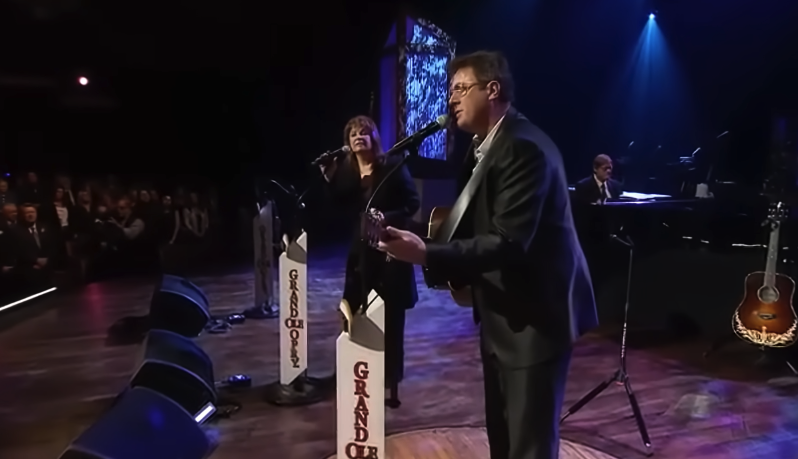
Vince Gill and Patty Loveless “Go Rest High On That Mountain” at George Jones’ Funeral

When Vince Gill and Patty Loveless stepped onto the Grand Ole Opry stage to sing “Go Rest High On That Mountain” at George Jones’ funeral in April 2013, they created one of the most powerful moments in country music history. Gill had written the heartbreaking song after his brother died, and you could see him fighting back tears as he started playing the chords. Standing right beside him, Loveless brought a steady, haunting beauty to the performance. Their voices blended together in a grief-filled harmony that echoed through the room, capturing the heavy sadness felt by every fan and fellow musician, as well as a deep respect for the legend everyone called “The Possum.”

What made the performance so unforgettable was how real and raw it felt, turning a famous memorial into a shared moment about loss and healing. As the song reached its emotional peak, the audience in the room—and millions watching at home—witnessed something truly special. The crowd erupted into a massive, thunderous standing ovation that seemed to freeze time. Gill and Loveless didn’t just perform a song that day; they gave a final, beautiful blessing that honored George Jones’ incredible legacy and captured the bittersweet pain of saying goodbye to a true American icon.

About Vince Gill

Vince Gill is a highly acclaimed and renowned American country music singer, songwriter, and multi-instrumentalist, widely celebrated for his smooth and distinctive tenor voice as well as his deeply heartfelt and meaningful lyrics. Over the course of a remarkable career that has spanned several decades, he has achieved tremendous success and earned numerous prestigious awards, including multiple Grammy Awards and a variety of Country Music Association honors. Gill is best known and cherished for timeless hits such as “When I Call Your Name” and “Go Rest High on That Mountain,” songs that have touched the hearts of many fans around the world. In addition to his vocal talents, he is also recognized for his exceptional guitar skills and significant contributions to the evolution and richness of country music as a genre.

Buy Vince Gill Album at Amazon #ad

DISCLAIMER NOTICE: Song, music, and lyrics are posted here for educational purposes only. Copyright belongs to the owners and songwriters. No copyright infringement intended. If you are the copyright owner and want it removed from this site, please write a comment below. Thank you.

Tags: Vince Gill, Patty Loveless, Vince Gill Concert, Vince Gill Albums, Vince Gill CDs, Vince Gill Music

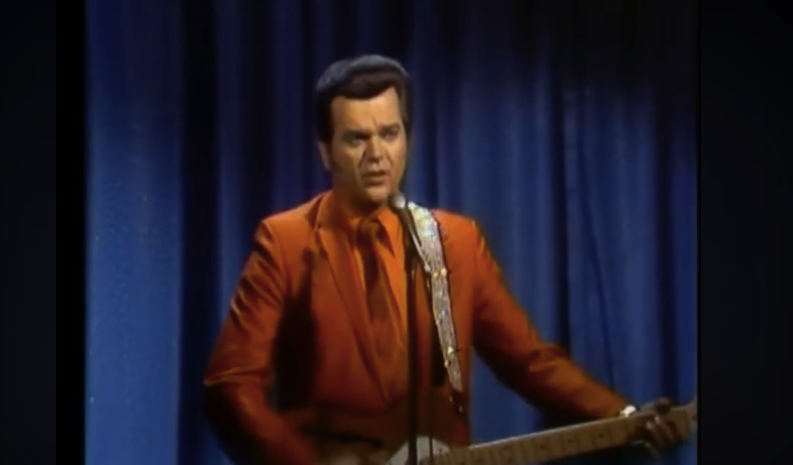
Great Conway Twitty Song: “How Much More Can She Stand”

Released in 1971, “How Much More Can She Stand” stands as one of the definitive artistic statements of Conway Twitty’s legendary tenure with MCA Records. Written by the prolific songwriter Lola Jean Dillon, the track is a masterclass in the subgenre of countrypolitan-infused honky-tonk, characterized by lush string arrangements, weeping pedal steel, and a mid-tempo shuffle that anchors the emotional weight of the narrative. In this song, Twitty assumes the perspective of a repentant partner, confronting the devastating realization that his neglect and late-night carousing have pushed his significant other to the absolute brink of emotional endurance. Rather than leaning into melodrama, Twitty delivers the lyrics with a quiet, world-weary authority that highlights his unmatched ability to convey vulnerability, transforming a standard marital discord theme into a deeply empathetic portrait of heartbreak.

Back in the early 1970s, Conway Twitty wasn’t just on the charts—he practically owned them. Every time he dropped a new track, it seemed destined for number one. Released in 1971, “How Much More Can She Stand” was a massive hit that struck a serious chord with working-class fans who heard their own real-life relationship struggles in the lyrics. While a lot of Nashville artists at the time were smoothing out their sound for pop audiences, Twitty kept things raw, honest, and totally authentic. This song proved he could mix polished production with gut-punch emotion, marking a major turning point in his career and cementing his legacy as a true legend of classic country music.

About Conway Twitty

Conway Twitty was born Harold Lloyd Jenkins. He was an American country music singer. He was fairly famous for his works in the rock, rock and roll, pop, and R&B genres as well. Conway is well-loved for his evergreen duets with the legendary country music singer Loretta Lynn. He won a total of five Academy of Country Music awards and four Country Music Association awards. Conway produced some of the most iconic country music songs with Loretta Lynn with twelve of their duets making it to the Billboard’s hot country singles chart. His popular tracks include: ‘After the Fire is Gone’, ‘As Soon as I Hang Up the Phone’, ‘Louisiana Woman, Mississippi Man’, ‘Feelins’, ‘Hello Darlin’, ‘It’s Only Make Believe’, ‘Crazy in Love’, and ‘Desperado Love’. He is considered among the greatest country singers of all time with approximately 50 singles on the country and rock charts.

More Songs Of Conway Twitty

IMPORTANT DISCLAIMER NOTICE: Song, music, photo screenshots, and lyrics are posted here for educational purposes only. Full copyright belongs to the owners and songwriters. No copyright infringement intended. Screenshot full photo credits from Youtube video above. If you are the copyright owner and want it removed from this site, please write a comment below. Thank you.

Tags: Conway Twitty, Conway Twitty music, top Conway Twitty songs, country music, country song, classic country music, solid gold music, golden country, country legends

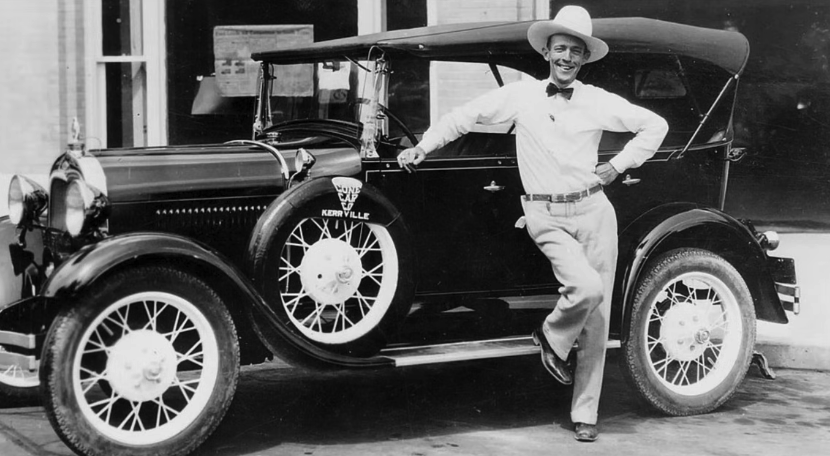
Jimmie Rodgers’ Standing on the Corner Blue Yodel No. 9 – Sensational 1930 Classic Country Song

Picture this: Los Angeles, August 8, 1930. Jimmie Rodgers—the undisputed “Father of Country Music”—steps into a recording studio and decides to rewrite the rules. Up until then, Rodgers was famous for blending gritty blues with his signature, roof-raising yodels. But with “Blue Yodel No. 9 (Standing on the Corner),” he wanted something bigger. His secret weapon? A young, hungry trumpeter named Louis Armstrong, fresh off blowing minds across the country, alongside Armstrong’s powerhouse pianist wife, Lil Hardin Armstrong.

What happened when these rural mountain sounds collided with fiery urban jazz? Pure magic. Instead of a messy culture clash, you get a effortlessly cool, genre-defying masterpiece that proved country, blues, and jazz weren’t just distant cousins—they were always meant to share the same stage.

Lyrically, the song features the carefree drifter style fans loved, but musically it feels fresh and full of energy. Listening today, the contrast is exciting: Rodgers’ rough, warm voice and acoustic guitar trade the spotlight with Armstrong’s bright, dazzling trumpet solos. It was more than a recording session; it was a legendary meeting of two musical legends at their absolute best. Nearly a century later, “Blue Yodel No. 9” remains a powerful reminder of how great music happens when artists step outside their comfort zones and just play.

About Jimmie Rodgers

Jimmie Rodgers, often billed as “The Singing Brakeman” and “The Father of Country Music,” was an iconic American recording artist and musician of the early 20th century. Born in Meridian, Mississippi in 1897, Rodgers gained widespread fame in the late 1920s for his rhythmic yodeling, distinctively emotive voice, and blending of blues, gospel, and folk influences. His classic recordings, including the famous “Blue Yodel” series, made him country music’s very first superstar. Though his career was cut short by tuberculosis, leading to his untimely death in 1933 at the age of 35, Rodgers’ enduring legacy laid the foundational blueprint for modern country, folk, and rock and roll music.

DISCLAIMER NOTICE: Song, music, and lyrics are posted here for educational purposes only. Copyright belongs to the owners and songwriters. No copyright infringement intended. If you are the copyright owner and want it removed from this site, please contacts us by commenting below. Thank You.

Tags: Jimmie Rodgers, Jimmie Rodgers Classic, Jimmie Rodgers music, classic country, country music

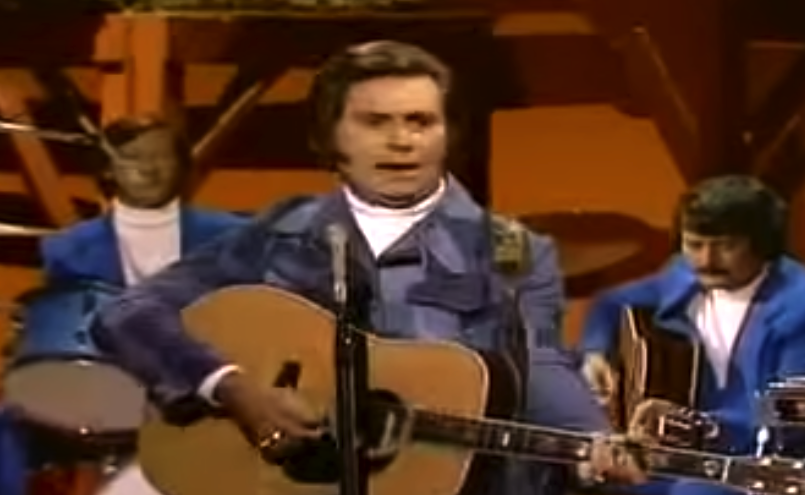
Rare George Jones Live Performance of “The Grand Tour”

There’s a reason George Jones is considered country royalty, and his live delivery of “The Grand Tour” is a masterclass in why. Dropped in 1974, the track quickly became his defining anthem, proving just how unmatched he was at pouring raw heartbreak, loneliness, and regret into a melody. Penned by Norro Wilson, Carmol Taylor, and George Richey, the song follows a devastated man walking a guest through his empty house after his wife packs up and leaves. Every single room is haunted by memories of a love that slipped away. With his rich, weather-worn baritone, Jones didn’t just sing the words—he made them painfully real. His tight control, careful phrasing, and subtle vocal cracks turned what could have been a standard sad song into a deeply personal confession.

Catching Jones perform “The Grand Tour” live takes things to a whole new level, stripping away the glossy polish of the studio to reveal the man behind the legend. These rare concert recordings showcase the raw emotional depth and effortless storytelling that earned him the adoration of millions. Every line feels heavy with lived-in grief, pulling you right into that echoing, empty house. Whether you’ve been spinning his records for decades or just stumbling upon his catalog, hearing him live is a striking reminder of his genius. It proves that his true superpower wasn’t just his unmistakable voice—it was his uncanny ability to make everyone in the room feel every ounce of pain and truth he was singing about.

George Glenn Jones was born on September 12, 1931,
in Saratoga, Texas. He has been called “The Rolls Royce Of Country
Music” and had more than 160 chart singles to his name from 1955 until
his death in 2013. Johnny Cash once said, “When people ask me who my
favorite country singer is, I say, ‘You mean besides George Jones?’”
He achieved international fame for his long list of hit records,
including his best-known song “He Stopped Loving Her Today”, as well as
his distinctive voice and phrasing. For the last two decades of his
life, Jones was frequently referred to as the greatest living country
singer. The shape of his nose and facial features earned Jones the
nickname “The Possum.”

Buy George Jones Albums @ Amazon! #Ad

“The Grand Tour” Lyrics

Step right up, come on in If you’d like to take the grand tour Of a lonely house that once was home sweet home I have nothing here to sell you, Just some things that I will tell you Some things I know will chill you to the bone.

Over there, sits the chair Where she’d bring the paper to me And sit down on my knee And whisper oh, I love you But now she’s gone forever And this old house will never Be the same without the love That we once knew.

Straight ahead, that’s the bed Where we’d lay in love together And Lord knows we had a good thing going here See her picture on the table Don’t it look like she’d be able Just to touch me and say good morning dear.

There’s her rings, all her things And her clothes are in the closet Like she left them When she tore my world apart. As you leave you’ll see the nursery, Oh, she left me without mercy Taking nothing but Our baby and my heart. Step right up, come on in…

DISCLAIMER NOTICE: Song, music, and lyrics are posted here for educational purposes only. Copyright belongs to the owners and songwriters. No copyright infringement intended. If you are the copyright owner and want it removed from this site, please contacts us by commenting below. Thank You.

Tags: George Jones, George Jones Classic, George Jones music, classic country, country music

Rare Bob Wills “San Antonio Rose” Live Performance (circa 1940’s)

There is nothing quite like hearing Bob Wills and his Texas Playboys tear through “San Antonio Rose” live in the 1940s. It’s like stepping right into the heart of the Western swing era. Known everywhere as the undisputed “King of Western Swing,” Wills had this incredible knack for taking traditional country tunes, mixing them with hot jazz, blues, and big-band punch, and turning out something completely fresh that people just couldn’t get enough of. Back in ’38, it started out as a bouncy little instrumental called “San Antonio Rose.” But once he threw some lyrics on it in 1940 and rebranded it as “New San Antonio Rose,” it took off like wildfire and became his ultimate calling card. Between Wills’ fiery fiddle work, his famous hollers across the stage, and the jaw-dropping talent of the Texas Playboys, the song became an instant American classic. With its unforgettable hook and driving beat, it bottled up the pure, restless energy of a country music scene that was changing by the day.

Catching a recording of them live is a real treat because it shows you what all the fuss was about outside the four walls of a recording studio. On stage, Wills and the boys really let loose—you get those raw, blistering fiddle solos, those effortless swinging rhythms, and that unmistakable electricity that made going to one of their dances an unforgettable night out. Surviving clips and audio from the 1940s are like a time capsule, capturing that unique Texas dance-hall magic colliding head-on with the big-city swing craze. Sure, the exact details of where and when a specific surviving recording took place might sometimes get lost to history, but the music itself speaks volumes. Hearing a live take of “San Antonio Rose” reminds you just how groundbreaking Bob Wills really was. To this day, the tune remains a crown jewel of Western swing, proving that the infectious, boot-tapping spirit of Bob Wills and the Texas Playboys will never go out of style.

About Bob Wills

Bob Wills (1905–1975), known as the “King of Western Swing,” was an influential American musician, singer, songwriter, and bandleader who helped shape country music by blending traditional fiddle tunes with jazz, blues, and big-band swing. Born in Kosse, Texas, he developed a passion for music at an early age and rose to fame with his band, Bob Wills and His Texas Playboys, during the 1930s and 1940s.

Wills became famous for his energetic performances, distinctive fiddle playing, and lively musical arrangements. His best-known songs include “San Antonio Rose,” “Take Me Back to Tulsa,” and “Faded Love.” His innovative sound influenced generations of country and Western swing musicians, earning him a lasting place in American music history. In 1968, he was inducted into the Country Music Hall of Fame, and his legacy continues to celebrate the enduring spirit of Western swing.

DISCLAIMER NOTICE: Song, music, and lyrics are posted here for educational purposes only. Copyright belongs to the owners and songwriters. No copyright infringement intended. If you are the copyright owner and want it removed from this site, please contacts us by commenting below. Thank You.

Tags: Bob Wills, Bob Wills Country Singer, Bob Wills music, Country song Country Music, Country classic hits

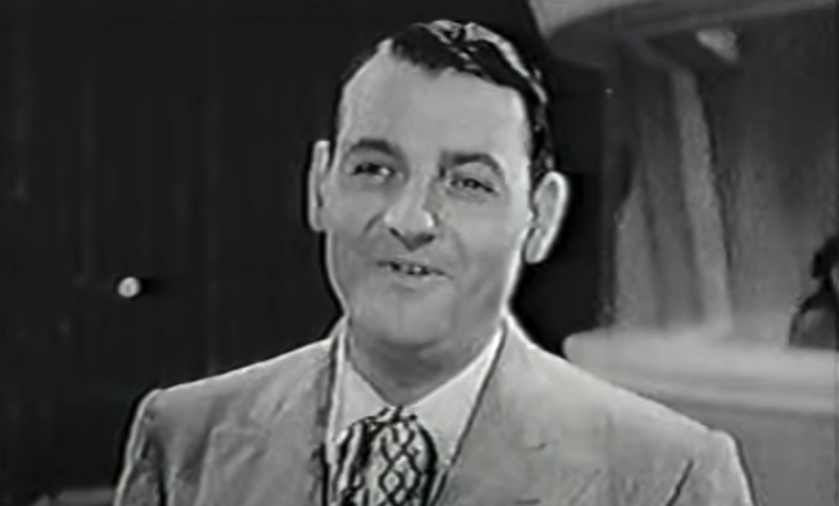
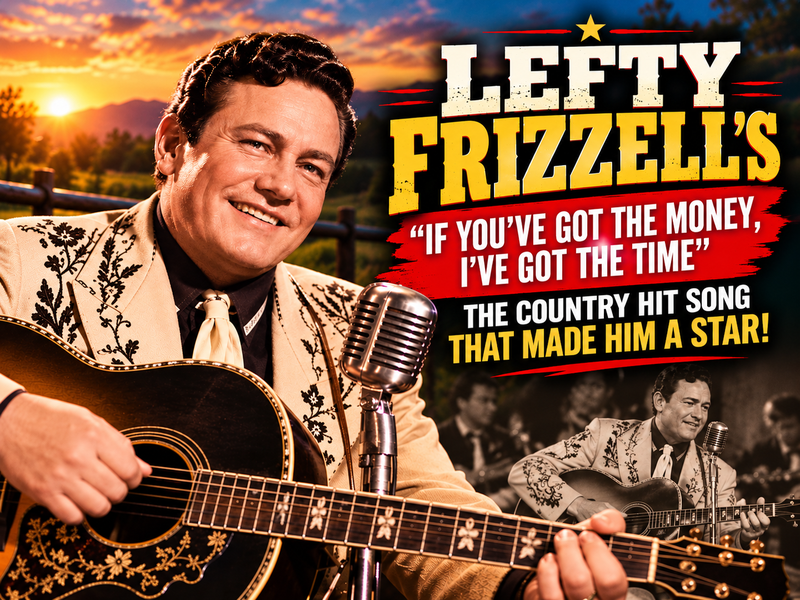
Watch Lefty Frizzell’s “If You’ve Got The Money, I’ve Got The Time” – His Big Country Hit Song

Released in 1950, “If You’ve Got the Money, I’ve Got the Time” was the breakthrough hit that launched Lefty Frizzell into country music stardom. Written by Frizzell and Jim Beck, the song climbed to No. 1 on Billboard’s country chart, becoming one of the biggest country hits of its era. With its playful lyrics about romance, money, and having a good time, the song captured the fun-loving spirit of traditional honky-tonk music. But what truly made it special was Lefty’s unmistakable voice—his relaxed phrasing, smooth delivery, and unique way of stretching words into beautiful melodies. His singing style would later influence country legends such as Merle Haggard, George Jones, and Willie Nelson.

More than 75 years later, this country classic still brings back the golden days of real honky-tonk music! Born William Orville Frizzell in 1928, Lefty became one of the most influential singers in country music history. His early success paved the way for other unforgettable hits, including “I Love You a Thousand Ways,” “Always Late (With Your Kisses),” and “Long Black Veil.” In 1982, he was inducted into the Country Music Hall of Fame, recognising his extraordinary contribution to the genre. Although Lefty passed away in 1975 at just 47 years old, his musical legacy lives on. If you love the pure, heartfelt sound of classic country music, Lefty Frizzell deserves a place in your playlist!

Lefty Frizzell, born William Orville Frizzell on March 31, 1928, in Corsicana, Texas, was one of the most influential singers and songwriters in country music history. Known for his smooth, emotional voice and distinctive vocal phrasing, he helped shape the sound of traditional honky-tonk music. His career took off in 1950 with the No. 1 hit “If You’ve Got the Money, I’ve Got the Time.” He went on to record timeless classics such as “I Love You a Thousand Ways,” “Always Late (With Your Kisses),” “Long Black Veil,” and “Saginaw, Michigan.” Lefty’s unique singing style influenced generations of country stars, including Merle Haggard, George Jones, and Willie Nelson. Sadly, he passed away on July 19, 1975, at just 47 years old. He was posthumously inducted into the Country Music Hall of Fame in 1982. Gone too soon, but his voice and music will never be forgotten!

WATCH: David Frizzell sings his brother Lefty’s hit “If You’ve Got The Money, I’ve Got the Time” live on Country’s Family Reunion: Honky Tonk with a special introduction from Adam Black.

DISCLAIMER NOTICE: Song, music, and lyrics are posted here for educational purposes only. Copyright belongs to the owners and songwriters. No copyright infringement intended. If you are the copyright owner and want it removed from this site, please contacts us by commenting below. Thank You.

Tags: Lefty Frizzell, Lefty FrizzellCountry Singer, Lefty Frizzell music, Country song Country Music, Country classic hits

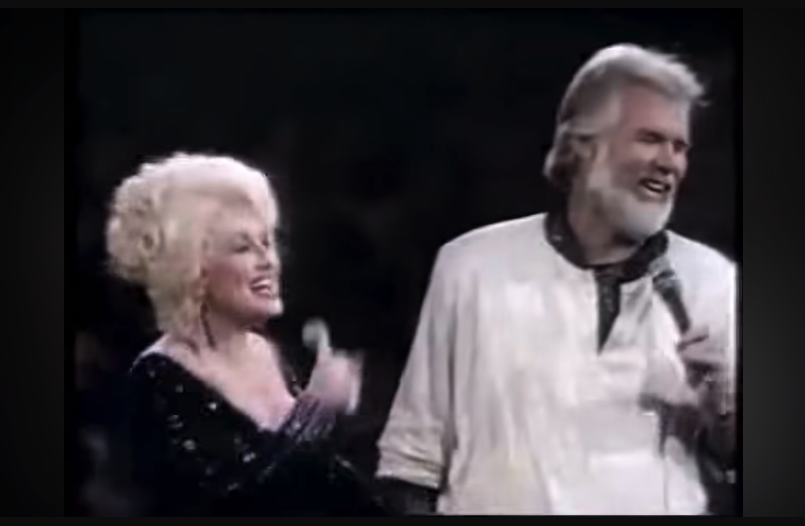
“We Got Tonight” Great Duet of Dolly Parton & Kenny Rogers live (1985)

In 1985, country music icons Kenny Rogers and Dolly Parton delivered a spellbinding live performance of Bob Seger’s classic ballad “We Got Tonight,” capturing a rare moment of pure vocal chemistry on stage. Though the song was originally a gritty rock-infused ballad, Rogers and Parton’s interpretation transformed it into a tender, emotionally charged country duet that highlighted the deep, lifelong friendship between the two artists. Their effortless harmonization and undeniable stage presence brought a profound sense of intimacy to the arena, making the performance feel remarkably personal despite the large crowd.

This iconic 1985 live rendition remains a high watermark in the storied careers of both performers, showcasing their ability to transcend genre boundaries and connect deeply with audiences. Parton’s soaring, crystalline vocals blended seamlessly with Rogers’ warm, gravelly baritone, creating a dynamic contrast that elevated the song’s themes of fleeting romance and vulnerability. Decades later, this unforgettable duet continues to be celebrated by fans and music historians alike as a masterclass in vocal collaboration and a definitive highlight of 1980s country music.

About Dolly Parton

Dolly Parton is an American singer, songwriter, actress, author, and philanthropist whose career has spanned more than six decades. Born on January 19, 1946, in Sevier County, Tennessee, she grew up in a large, close-knit family in the Great Smoky Mountains. Her humble beginnings strongly influenced her songwriting, which often reflects themes of family, faith, hardship, love, and perseverance. Parton rose to national prominence in the late 1960s and became one of country music’s most recognizable voices, known for classics such as “Jolene,” “Coat of Many Colors,” and “I Will Always Love You.”

Beyond her remarkable music career, Dolly Parton has become a respected cultural icon and humanitarian. She has received numerous awards and honors for her contributions to country music and entertainment, while her songwriting has influenced generations of artists across different genres. Through the Dollywood Foundation and Imagination Library, she has also helped provide millions of free books to children around the world. Her combination of musical talent, warm personality, generosity, and enduring connection to her Appalachian roots has made her one of the most beloved figures in American entertainment.

Buy Dolly’s Album at Amazon #Ad

DISCLAIMER NOTICE: Song, music, and lyrics are posted here for educational purposes only. Copyright belongs to the owners and songwriters. No copyright infringement intended. If you are the copyright owner and want it removed from this site, please write a comment below. Thank you.

Tags: Dolly Parton, Dolly Parton Music, Dolly Parton Albums, Dolly Parton Bio, country music, Kenny Rogers, Kenny Rogers concert

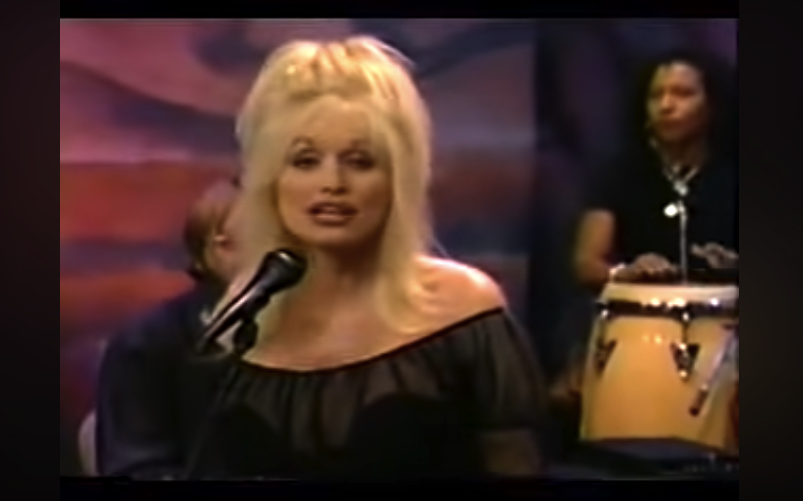
“Just When I Needed You Most” A Lovely Dolly Parton Country Song

Released in 1996 on her critically acclaimed album Treasures, Dolly Parton’s rendition of “Just When I Needed You Most” stands as a masterclass in emotional country storytelling. Originally written and recorded by Randy VanWarmer in 1979, the song found a deeply authentic second life through Parton’s crystalline vocals and stripped-down acoustic arrangement. Rather than relying on heavy production, the track highlights the raw vulnerability of heartbreak and abandonment, blending traditional bluegrass instrumentation with contemporary country sensibilities. Parton’s ability to inhabit the lyrics transforms a familiar pop-country tune into a poignant lament of lingering love and sudden loss.

What makes Parton’s version particularly enduring is her signature vocal delivery, which balances profound sorrow with a gentle, soothing grace. The song chronicles the devastation of watching a lover walk away during life’s most vulnerable moments, capturing the universal sting of unrequited devotion. Within the context of Treasures—an album dedicated to Parton’s personal favorite covers of contemporary and classic songs—this track remains a standout. It demonstrates her unique gift for honoring another artist’s original vision while simultaneously stamping it with her unmistakable musical identity, cementing the song as a beloved gem in her extensive catalog.

About Dolly Parton

Dolly Parton is an American singer, songwriter, actress, author, and philanthropist whose career has spanned more than six decades. Born on January 19, 1946, in Sevier County, Tennessee, she grew up in a large, close-knit family in the Great Smoky Mountains. Her humble beginnings strongly influenced her songwriting, which often reflects themes of family, faith, hardship, love, and perseverance. Parton rose to national prominence in the late 1960s and became one of country music’s most recognizable voices, known for classics such as “Jolene,” “Coat of Many Colors,” and “I Will Always Love You.”

Beyond her remarkable music career, Dolly Parton has become a respected cultural icon and humanitarian. She has received numerous awards and honors for her contributions to country music and entertainment, while her songwriting has influenced generations of artists across different genres. Through the Dollywood Foundation and Imagination Library, she has also helped provide millions of free books to children around the world. Her combination of musical talent, warm personality, generosity, and enduring connection to her Appalachian roots has made her one of the most beloved figures in American entertainment.

Buy Dolly’s Album at Amazon #Ad

DISCLAIMER NOTICE: Song, music, and lyrics are posted here for educational purposes only. Copyright belongs to the owners and songwriters. No copyright infringement intended. If you are the copyright owner and want it removed from this site, please write a comment below. Thank you.

Tags: Dolly Parton, Dolly Parton Music, Dolly Parton Albums, Dolly Parton Bio, country music

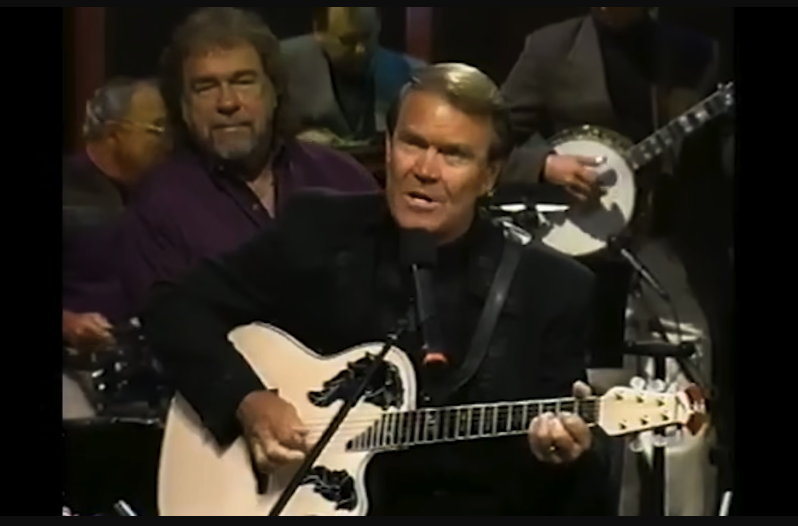
Glen Campbell – “Gentle On My Mind” Live on “Country Homecoming Ryman”, 1999

Watch this awesome Glen Campbell’s live performance of “Gentle on My Mind” on Country Homecoming Ryman in 1999. This performance captures the warmth, maturity, and effortless musicality that defined one of country music’s most respected performers. Originally written by John Hartford, the song became closely associated with Campbell after his celebrated recording in the late 1960s, and this later live rendition shows how naturally the song had settled into his artistic identity. Performing at Nashville’s historic Ryman Auditorium, Campbell delivers the lyrics with a relaxed and conversational vocal style, emphasizing the song’s themes of freedom, memory, and a relationship that remains meaningful without becoming possessive. His controlled phrasing and understated emotional delivery allow the words to remain at the center of the performance, while the live setting gives the song an intimate, reflective quality.

What makes the 1999 performance particularly compelling is the contrast between its seemingly simple arrangement and the depth of emotion Campbell brings to it. Rather than relying on dramatic vocal effects, he uses subtle changes in tone, timing, and emphasis to communicate the bittersweet character of the lyrics. The performance also reflects Campbell’s broader importance to the country and popular music traditions: he possessed a distinctive ability to make country songs accessible to a wide audience while retaining their emotional and storytelling roots. Heard decades after the song first became a signature part of his repertoire, “Gentle on My Mind” feels both nostalgic and timeless. Campbell’s 1999 Ryman performance therefore serves not merely as a revisit of an old hit, but as a mature interpretation of a song that had become an enduring part of his musical legacy.

About Glen Campbell

Glen Campbell (1936–2017) was an American country singer, guitarist, and television personality. Born in Arkansas, he became famous for hits such as “Rhinestone Cowboy,” “Wichita Lineman,” and “Gentle on My Mind.” Known for his smooth voice and crossover appeal, Campbell became one of country music’s most successful and beloved performers. He was also a talented session guitarist who played on recordings for many major artists.

DISCLAIMER NOTICE: Song, music, and lyrics are posted here for educational purposes only. Copyright belongs to the owners and songwriters. No copyright infringement intended. If you are the copyright owner and want it removed from this site, please contacts us by commenting below. Thank You.

Tags: Glen Campbell, Glen Campbell Country Singer, Glen Campbell Concert, Country Gospel, Country Music, Country song

Page 1 of 25

Powered by WordPress & Theme by Anders Norén