Beautiful Collection of Country Songs

Category: Country Music Page 1 of 18

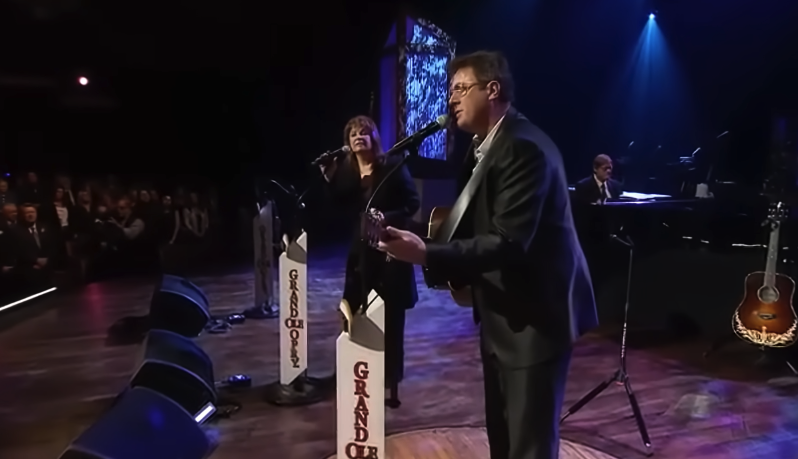
Vince Gill and Patty Loveless “Go Rest High On That Mountain” at George Jones’ Funeral

When Vince Gill and Patty Loveless stepped onto the Grand Ole Opry stage to sing “Go Rest High On That Mountain” at George Jones’ funeral in April 2013, they created one of the most powerful moments in country music history. Gill had written the heartbreaking song after his brother died, and you could see him fighting back tears as he started playing the chords. Standing right beside him, Loveless brought a steady, haunting beauty to the performance. Their voices blended together in a grief-filled harmony that echoed through the room, capturing the heavy sadness felt by every fan and fellow musician, as well as a deep respect for the legend everyone called “The Possum.”

What made the performance so unforgettable was how real and raw it felt, turning a famous memorial into a shared moment about loss and healing. As the song reached its emotional peak, the audience in the room—and millions watching at home—witnessed something truly special. The crowd erupted into a massive, thunderous standing ovation that seemed to freeze time. Gill and Loveless didn’t just perform a song that day; they gave a final, beautiful blessing that honored George Jones’ incredible legacy and captured the bittersweet pain of saying goodbye to a true American icon.

About Vince Gill

Vince Gill is a highly acclaimed and renowned American country music singer, songwriter, and multi-instrumentalist, widely celebrated for his smooth and distinctive tenor voice as well as his deeply heartfelt and meaningful lyrics. Over the course of a remarkable career that has spanned several decades, he has achieved tremendous success and earned numerous prestigious awards, including multiple Grammy Awards and a variety of Country Music Association honors. Gill is best known and cherished for timeless hits such as “When I Call Your Name” and “Go Rest High on That Mountain,” songs that have touched the hearts of many fans around the world. In addition to his vocal talents, he is also recognized for his exceptional guitar skills and significant contributions to the evolution and richness of country music as a genre.

Buy Vince Gill Album at Amazon #ad

DISCLAIMER NOTICE: Song, music, and lyrics are posted here for educational purposes only. Copyright belongs to the owners and songwriters. No copyright infringement intended. If you are the copyright owner and want it removed from this site, please write a comment below. Thank you.

Tags: Vince Gill, Patty Loveless, Vince Gill Concert, Vince Gill Albums, Vince Gill CDs, Vince Gill Music
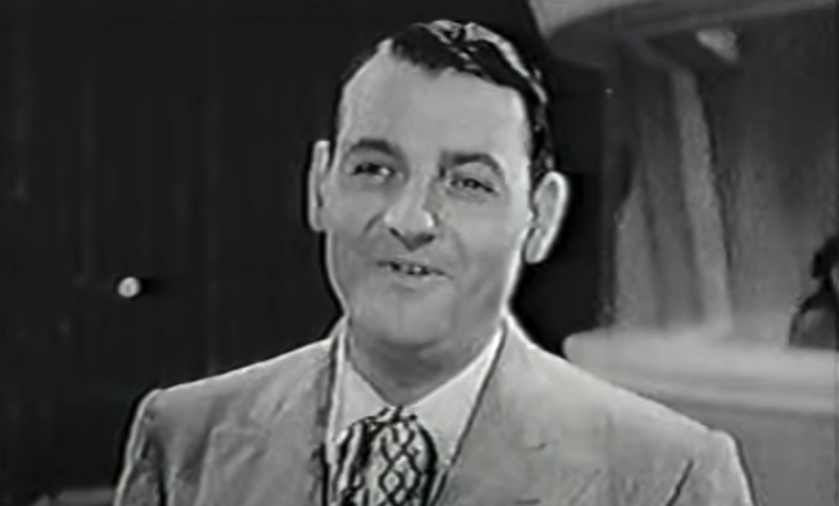
Jimmie Rodgers’ Standing on the Corner Blue Yodel No. 9 – Sensational 1930 Classic Country Song

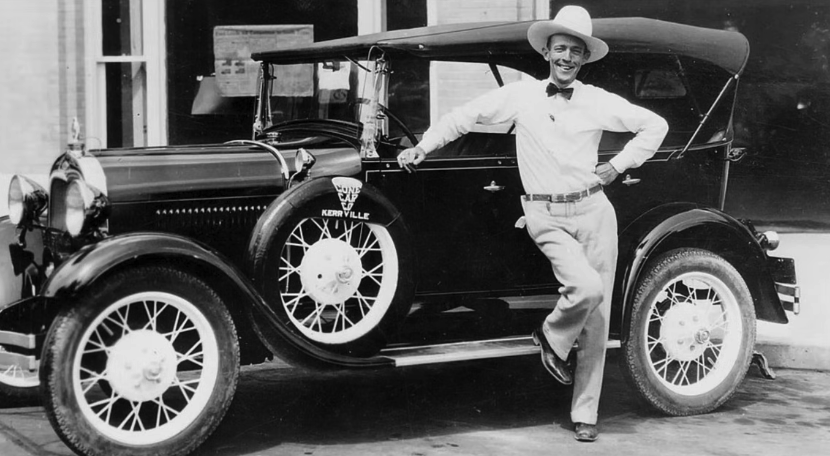
Picture this: Los Angeles, August 8, 1930. Jimmie Rodgers—the undisputed “Father of Country Music”—steps into a recording studio and decides to rewrite the rules. Up until then, Rodgers was famous for blending gritty blues with his signature, roof-raising yodels. But with “Blue Yodel No. 9 (Standing on the Corner),” he wanted something bigger. His secret weapon? A young, hungry trumpeter named Louis Armstrong, fresh off blowing minds across the country, alongside Armstrong’s powerhouse pianist wife, Lil Hardin Armstrong.

What happened when these rural mountain sounds collided with fiery urban jazz? Pure magic. Instead of a messy culture clash, you get a effortlessly cool, genre-defying masterpiece that proved country, blues, and jazz weren’t just distant cousins—they were always meant to share the same stage.

Lyrically, the song features the carefree drifter style fans loved, but musically it feels fresh and full of energy. Listening today, the contrast is exciting: Rodgers’ rough, warm voice and acoustic guitar trade the spotlight with Armstrong’s bright, dazzling trumpet solos. It was more than a recording session; it was a legendary meeting of two musical legends at their absolute best. Nearly a century later, “Blue Yodel No. 9” remains a powerful reminder of how great music happens when artists step outside their comfort zones and just play.

About Jimmie Rodgers

Jimmie Rodgers, often billed as “The Singing Brakeman” and “The Father of Country Music,” was an iconic American recording artist and musician of the early 20th century. Born in Meridian, Mississippi in 1897, Rodgers gained widespread fame in the late 1920s for his rhythmic yodeling, distinctively emotive voice, and blending of blues, gospel, and folk influences. His classic recordings, including the famous “Blue Yodel” series, made him country music’s very first superstar. Though his career was cut short by tuberculosis, leading to his untimely death in 1933 at the age of 35, Rodgers’ enduring legacy laid the foundational blueprint for modern country, folk, and rock and roll music.

DISCLAIMER NOTICE: Song, music, and lyrics are posted here for educational purposes only. Copyright belongs to the owners and songwriters. No copyright infringement intended. If you are the copyright owner and want it removed from this site, please contacts us by commenting below. Thank You.

Tags: Jimmie Rodgers, Jimmie Rodgers Classic, Jimmie Rodgers music, classic country, country music

Rare Bob Wills “San Antonio Rose” Live Performance (circa 1940’s)

There is nothing quite like hearing Bob Wills and his Texas Playboys tear through “San Antonio Rose” live in the 1940s. It’s like stepping right into the heart of the Western swing era. Known everywhere as the undisputed “King of Western Swing,” Wills had this incredible knack for taking traditional country tunes, mixing them with hot jazz, blues, and big-band punch, and turning out something completely fresh that people just couldn’t get enough of. Back in ’38, it started out as a bouncy little instrumental called “San Antonio Rose.” But once he threw some lyrics on it in 1940 and rebranded it as “New San Antonio Rose,” it took off like wildfire and became his ultimate calling card. Between Wills’ fiery fiddle work, his famous hollers across the stage, and the jaw-dropping talent of the Texas Playboys, the song became an instant American classic. With its unforgettable hook and driving beat, it bottled up the pure, restless energy of a country music scene that was changing by the day.

Catching a recording of them live is a real treat because it shows you what all the fuss was about outside the four walls of a recording studio. On stage, Wills and the boys really let loose—you get those raw, blistering fiddle solos, those effortless swinging rhythms, and that unmistakable electricity that made going to one of their dances an unforgettable night out. Surviving clips and audio from the 1940s are like a time capsule, capturing that unique Texas dance-hall magic colliding head-on with the big-city swing craze. Sure, the exact details of where and when a specific surviving recording took place might sometimes get lost to history, but the music itself speaks volumes. Hearing a live take of “San Antonio Rose” reminds you just how groundbreaking Bob Wills really was. To this day, the tune remains a crown jewel of Western swing, proving that the infectious, boot-tapping spirit of Bob Wills and the Texas Playboys will never go out of style.

About Bob Wills

Bob Wills (1905–1975), known as the “King of Western Swing,” was an influential American musician, singer, songwriter, and bandleader who helped shape country music by blending traditional fiddle tunes with jazz, blues, and big-band swing. Born in Kosse, Texas, he developed a passion for music at an early age and rose to fame with his band, Bob Wills and His Texas Playboys, during the 1930s and 1940s.

Wills became famous for his energetic performances, distinctive fiddle playing, and lively musical arrangements. His best-known songs include “San Antonio Rose,” “Take Me Back to Tulsa,” and “Faded Love.” His innovative sound influenced generations of country and Western swing musicians, earning him a lasting place in American music history. In 1968, he was inducted into the Country Music Hall of Fame, and his legacy continues to celebrate the enduring spirit of Western swing.

DISCLAIMER NOTICE: Song, music, and lyrics are posted here for educational purposes only. Copyright belongs to the owners and songwriters. No copyright infringement intended. If you are the copyright owner and want it removed from this site, please contacts us by commenting below. Thank You.

Tags: Bob Wills, Bob Wills Country Singer, Bob Wills music, Country song Country Music, Country classic hits

Lovely Song: “I Will Always Love You” of Dolly Parton Live Opry 100: Country’s Greatest Songs (2007)

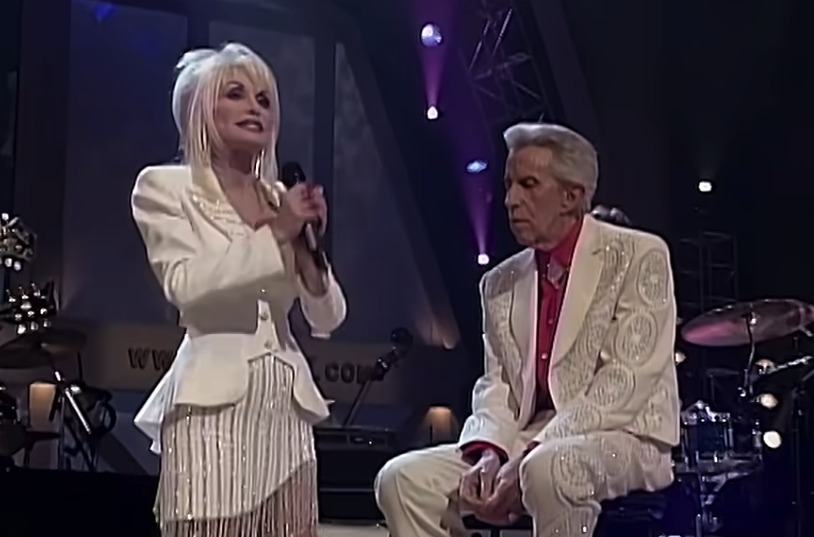
Dolly Parton’s live performance of “I Will Always Love You” at Opry 100: Country’s Greatest Songs is a moving reminder of why the song has become one of the most treasured compositions in country music history. Written by Parton in 1973, the song was originally created as a heartfelt farewell to her longtime musical partner and mentor, Porter Wagoner, when she decided to pursue her own career. Rather than being a traditional romantic breakup song, its message is rooted in gratitude, affection, and the difficult choice to walk away while still wishing the other person well. Parton’s gentle delivery and unmistakable voice give the lyrics an intimate sincerity, allowing the emotional strength of the song to come through without unnecessary embellishment.

In this Opry performance, Dolly brings the song back to its country roots with the warmth, simplicity, and storytelling style that have defined her career for decades. “I Will Always Love You” became a major country hit for Parton more than once and later reached an even wider worldwide audience when Whitney Houston recorded her powerful version for The Bodyguard in 1992. Yet Dolly’s own interpretation remains uniquely personal because the words came directly from her own experience. Hearing her perform it on the Grand Ole Opry stage highlights not only the timeless beauty of the melody but also her remarkable influence as a songwriter. More than fifty years after it was written, the song continues to speak about love with maturity and grace—showing that sometimes genuine love means being able to say goodbye without bitterness and still sincerely say, “I will always love you.”

About Dolly Parton

Dolly Parton is an American singer, songwriter, actress, author, and philanthropist whose career has spanned more than six decades. Born on January 19, 1946, in Sevier County, Tennessee, she grew up in a large, close-knit family in the Great Smoky Mountains. Her humble beginnings strongly influenced her songwriting, which often reflects themes of family, faith, hardship, love, and perseverance. Parton rose to national prominence in the late 1960s and became one of country music’s most recognizable voices, known for classics such as “Jolene,” “Coat of Many Colors,” and “I Will Always Love You.”

Beyond her remarkable music career, Dolly Parton has become a respected cultural icon and humanitarian. She has received numerous awards and honors for her contributions to country music and entertainment, while her songwriting has influenced generations of artists across different genres. Through the Dollywood Foundation and Imagination Library, she has also helped provide millions of free books to children around the world. Her combination of musical talent, warm personality, generosity, and enduring connection to her Appalachian roots has made her one of the most beloved figures in American entertainment.

Buy Dolly’s Album at Amazon #Ad

DISCLAIMER NOTICE: Song, music, and lyrics are posted here for educational purposes only. Copyright belongs to the owners and songwriters. No copyright infringement intended. If you are the copyright owner and want it removed from this site, please write a comment below. Thank you.

Tags: Dolly Parton, Dolly Parton Music, Dolly Parton Albums, Dolly Parton Bio, country music

“Murder On Music Row” – Lee Ann Womack & Alan Jackson at ACM Awards

Watch this beautiful duet of Alan Jackson and Lee Ann Wommack performing the song “Murder in Music Row” at the ACM Honor Awards on August 25, 2021. This heartfelt performance brings to life the emotions and story behind the song, showcasing the incredible talent of both artists.

Originally written in 1999 by Larry Cordle and Larry Shell, the song laments the rise of country pop and the accompanying decline of the traditional country music sound. It refers to Music Row, an area in Nashville, Tennessee considered the epicenter of the country music industry. Enjoy!

About Alan Jackson

Alan Jackson was born in the small town of Newnan, Georgia, on October 17, 1958. He grew up singing gospel music, both in church and at home with his family. As a teenager, he performed locally as part of a country duo. He left school to work and married his high-school sweetheart, Denise, who worked as an airline stewardess. In 1989, Jackson became the first artist signed to Arista’s new country division. Jackson’s debut album, Here in the Real World, was issued in 1990. It became a platinum-selling hit on the strength of four Top Five hits. He also released “Chasin’ That Neon Rainbow,” “Wanted,” and “I’d Love You All Over Again.” He shot to full-fledged superstardom with the follow-up, 1991’s Don’t Rock the Jukebox. This song was number one smash that year. Jackson’s many industry awards include the CMA award for entertainer of the year in 1995, 2002, and 2003. In addition, he was inducted into the Country Music Hall of Fame in 2017.

More Songs by Allan Jackson

Buy Alan Jackson Albums at Amazon!

Murder On Music Row Lyrics

Song by Alan Jackson and George Strait

Nobody saw him running from sixteenth avenue.
They never found the fingerprint or the weapon that was used.
But someone killed country music, cut out its heart and soul.
They got away with murder down on music row.

The almighty dollar and the lust for worldwide fame
Slowly killed tradition and for that someone should hang
(oh, you tell them Alan).
They all say not guilty, but the evidence will show
That murder was committed down on music row.

For the steel guitars no longer cry and fiddles barely play,
But drums and rock ‘n roll guitars are mixed up in your face.
Old Hank wouldn’t have a chance on today’s radio
Since they committed murder down on music row.

They thought no one would miss it, once it was dead and gone
They said no one would buy them old drinking and cheating songs (I’ll still buy’em)
Well there ain’t no justice in it and the hard facts are cold
Murder’s been committed down on music row.

Oh, the steel guitars no longer cry and you can’t hear fiddles play
With drums and rock ‘n roll guitars mixed right up in your face
Why, the Hag, he wouldn’t have a chance on today’s radio
Since they committed murder down on music row
Why, they even tell the Possum to pack up and go back home
There’s been an awful murder down on music row.

Source: LyricFind

Songwriters: Cordle / Shell

Murder On Music Row lyrics © BMG Rights Management, Mdi Music Admin & Consultation, Peermusic Publishing, Sony/ATV Music Publishing LLC, Universal Music Publishing Group, Warner Chappell Music, Inc

DISCLAIMER NOTICE: Song, music, and lyrics are posted here for educational purposes only. Copyright belongs to the owners and songwriters. No copyright infringement intended. If you are the copyright owner and want it removed from this site, please write a comment below. Thank you.

Tags: Alan Jackson, Alan Jackson Music, Alan Jackson Drive, top country, country music, solid gold, top country music, Lee Ann Wommack

Merle Haggard: “Sing Me Back Home” – Beautiful Live Performance

Watch this beautiful live performance of Merle Haggard of his hit song “Sing Me Back Home.” Merle wrote this song and was released in November 1967 as the first single and title track from the album Sing Me Back Home. The song was Merle Haggard and The Strangers third number one. The single spent two weeks at number one and a total of 17 weeks on the country chart. Enjoy the music!

Merle Haggard, in full Merle Ronald Haggard, (born April 6, 1937, Oildale, California, U.S.—died April 6, 2016, near Redding, California), American singer, guitarist, and songwriter, one of the most popular country music performers of the late 20th century, with nearly 40 number one country hits between the late 1960s and the mid-1980s.

Haggard won numerous awards from the Country Music Association and the Academy of Country Music, and in 1984 he captured a Grammy Award for best country vocal performance for “That’s the Way Love Goes.” He was inducted into the Country Music Hall of Fame (1994) and the Songwriters Hall of Fame (2007). In 2010 Haggard was named a Kennedy Center honoree. (Source: Britanicca)

More Songs of Merle Haggard:

Buy Albums of Merle Haggard at Amazon!

Sing Me Back Home Lyrics

Song by Merle Haggard

The warden led a prisoner down the hallway to his doom
I stood up to say goodbye like all the rest
And I heard him tell the warden just before he reached my cell
Let my guitar playing friend, do my request

Let him sing me back home with a song I used to hear
Make my old memories come alive
Take me away and turn back the years
Sing me back home before I die

I recall last Sunday morning a choir from ‘cross the street
Came to sing a few old gospel songs
And I heard him tell the singers
There’s a song my mama sang
Can I hear once before we move along?

Sing me back home, the song my mama sang
Make my old memories come alive
Take me away and turn back the years
Sing me back home before I die

Sing me back home before I die

Source: Musixmatch

Songwriters: Merle Haggard

Sing Me Back Home lyrics © Sony/atv Tree Publishing

DISCLAIMER NOTICE: Song, music, and lyrics are posted here for educational purposes only. Copyright belongs to the owners and songwriters. No copyright infringement intended. If you are the copyright owner and want it removed from this site, please contacts us by commenting below. Thank You.

TAGS: Merle Haggard, Merle Haggard Classics, Classic Songs, Merle Haggard Music, Merle Haggard songs

Beautiful Merle Haggard Song: “I Hate to See it Go”

Enjoy another masterpiece from one of our country’s favorite singers, Merle Haggard, with the heartfelt song “I Hate To See It Go.” This track beautifully showcases Haggard’s unique ability to blend soulful melodies with poignant lyrics that resonate deeply with listeners. His storytelling through music captures the essence of life’s bittersweet moments, making every word and note feel personal and genuine. The song’s rich melody paired with reflective lyrics highlights just how creative and seasoned Merle Haggard truly is as a musician.

In “I Hate To See It Go,” Haggard demonstrates not only his vocal talent but also his skill as a songwriter who can evoke strong emotions and paint vivid pictures through sound. The song’s themes of loss and longing are delivered with a sincerity that only someone with Haggard’s experience and passion could achieve. Fans of classic country music will find themselves drawn to the authenticity and depth packed into this timeless piece, reinforcing Merle Haggard’s legacy as one of the greatest country artists of all time.

About Merle Haggard

Merle Haggard, in full Merle Ronald Haggard, (born April 6, 1937, Oildale, California, U.S.—died April 6, 2016, near Redding, California), American singer, guitarist, and songwriter, one of the most popular country music performers of the late 20th century, with nearly 40 number one country hits between the late 1960s and the mid-1980s.

Haggard won numerous awards from the Country Music Association and the Academy of Country Music, and in 1984 he captured a Grammy Award for best country vocal performance for “That’s the Way Love Goes.” He was inducted into the Country Music Hall of Fame (1994) and the Songwriters Hall of Fame (2007). In 2010 Haggard was named a Kennedy Center honoree. (Source: Britanicca)

More Songs of Merle Haggard:

Buy Albums of Merle Haggard at Amazon!

I Hate to See it Go Lyrics

My son will be ten, my daughter thirteen
And I love the both of them so
Soon these days will be over and it all will be gone
And I hate to see it go

Now he’s just like me, she’s just like you
Love’s such a blessing, we know
Times to remember, all have to leave
And I hate to see it go

Why doesn’t life have a conscience
And why do kids have to grow
Times to remember, all have to leave
But I hate to see it go

Why doesn’t life have a conscience

And why do kids have to grow
Times to remember, all have to leave
But I hate to see it go
Oh, I hate to see it go

DISCLAIMER NOTICE: Song, music, and lyrics are posted here for educational purposes only. Copyright belongs to the owners and songwriters. No copyright infringement intended. If you are the copyright owner and want it removed from this site, please write a comment below. Thank you.

Tags: Merle Haggard music , Merle Haggard, Merle Haggard Natural High, Country music, classic country music, Bonny Owens

Beautiful Duet: “That’s The Way Love Goes” by Merl Haggard & Jewel

Watch this beautiful duet of “That’s The Way Love Goes” by Merl Haggard & Jewel. It was a great performance during the CMA Awards 1999 Show. This song written and recorded by Merle Haggard topped the Billboard country singles chart when it was released in 1983.

Merle Haggard, in full Merle Ronald Haggard, (born April 6, 1937, Oildale, California, U.S.—died April 6, 2016, near Redding, California), American singer, guitarist, and songwriter, one of the most popular country music performers of the late 20th century, with nearly 40 number one country hits between the late 1960s and the mid-1980s.

Haggard won numerous awards from the Country Music Association and the Academy of Country Music, and in 1984 he captured a Grammy Award for best country vocal performance for “That’s the Way Love Goes.” He was inducted into the Country Music Hall of Fame (1994) and the Songwriters Hall of Fame (2007). In 2010 Haggard was named a Kennedy Center honoree. (Source: Britanicca)

More Songs of Merle Haggard:

Buy Albums of Merle Haggard at Amazon!

That’s the Way Love Goes Lyrics

Merle Haggard

I’ve been throwing horseshoes
Over my left shoulder
I’ve spent most all my life
Searching for that four-leaf clover

Yet you ran with me
Chasing my rainbows
Honey, I love you too
That’s the way love goes

That’s the way love goes, babe
That’s the music God made
For all the world to sing
It’s never old, it grows
Losing makes me sorry
You say, “Honey, now don’t worry
Don’t you know I love you too?”
And that’s the way love goes

That’s the way love goes, babe
That’s the music God made
For all the world to sing
It’s never old, it grows
Losing makes me sorry
And you say, “Honey, don’t worry
Don’t you know I love you too?”
And that’s the way love goes

Source: Musixmatch

Songwriters: Lefty Frizzell / Sanger D. Shafer

That’s the Way Love Goes lyrics © Peer International Corporation

DISCLAIMER NOTICE: Song, music, and lyrics are posted here for educational purposes only. Copyright belongs to the owners and songwriters. No copyright infringement intended. If you are the copyright owner and want it removed from this site, please write a comment below. Thank you.

Tags: Merle Haggard Christmas SONGS, Merle Haggard, Merle Haggard Natural High, Country music, classic country music

Johnny Cash & Waylon Jennings – “Folsom Prison Blues” (Live at Farm Aid 1985)

Johnny Cash wrote this number 1 hit song “Folsom Prison Blues” while he was stationed in Germany with the Air Force in 1952. He said he was inspired by a crime drama that was played for the troops on base called Inside The Walls of Folsom Prison. Cash performed the song live to a crowd of inmates at Folsom State Prison in 1968 for his live album At Folsom Prison (1968), released through Columbia Records. This version became a No. 1 hit on the country music charts and reached No. 32 on the Billboard Hot 100 in the same year. This version also won the Grammy Award for Best Country Vocal Performance, Male, at the 11th Annual Grammy Awards in 1969.

About Johnny Cash

Johnny Cash was born February 26, 1932, in Kingsland, Arkansas. He made his first single, “Hey Porter”, for Sun Records in 1955. With his second recording, “Folsom Prison Blues,” Johnny Cash scored a national hit. In 1956, “I Walk the Line” was a top country hit for 44 weeks and sold over a million copies. Johnny began to appear at the Grand Ole Opry in Nashville, the Mecca of country music. Johnny Cash married June Carter of the legendary Carter Family, whose radio broadcasts had inspired Johnny when he was growing up in Arkansas. With June at his side, he made a triumphant comeback, selling out Carnegie Hall and breaking the Beatles’ attendance record at London’s Palladium. Over the course of his career, he received 11 Grammy Awards. He was inducted into the Country Music Hall of Fame, the Rock and Roll Hall of Fame, and the Songwriters’ Hall of Fame. He received the Kennedy Center Honors, the National Medal of the Arts, and the Grammy Lifetime Achievement Award.

Folsom Prison Blues Lyrics

Hello I’m Johnny Cash
I hear the train a comin’
It’s rolling round the bend
And I ain’t seen the sunshine since I don’t know when
I’m stuck in Folsom prison, and time keeps draggin’ on
But that train keeps a rollin’ on down to San Antone.

When I was just a baby my mama told me “Son
Always be a good boy, don’t ever play with guns.”
But I shot a man in Reno just to watch him die
When I hear that whistle blowin’, I hang my head and cry.

Suey
I bet there’s rich folks eating from a fancy dining car
They’re probably drinkin’ coffee and smoking big cigars.
Well I know I had it coming, I know I can’t be free
But those people keep a movin’

And that’s what tortures me…
Well if they freed me from this prison
If that railroad train was mine
I bet I’d move it on a little farther down the line
Far from Folsom prison, that’s where I want to stay
And I’d let that lonesome whistle blow my blues away…

DISCLAIMER NOTICE: Song, music, and lyrics are posted here for educational purposes only. Copyright belongs to the owners and songwriters. No copyright infringement intended. If you are the copyright owner and want it removed from this site, please write a comment below. Thank you.

Tags: Johnny Cash, Johnny Cash Bio, Johnny Cash music, Merle Haggard Natural High, Country music, classic country music

“Lord I Hope This Day is Good” – An Awesome Don Williams Classic Country Song

“Lord, I Hope This Day is Good” is one of Don Williams’ classic songs that has gained immense popularity over the years. Written by Dave Hanner, this heartfelt track was released in November 1981 as the third single from Williams’ album Especially for You. The song’s gentle melody combined with Williams’ smooth vocals resonated deeply with country music fans, quickly becoming a beloved favorite. Its timeless lyrics capture a sense of hope and optimism that continues to touch listeners, making it a standout piece in Don Williams’ impressive catalog.

This memorable song marked Williams’ twelfth number one hit on the country chart, showcasing his consistent success and influence in the genre. The single held the number one spot for one week and remained on the country music charts for a total of twenty weeks, a testament to its enduring appeal. Fans of classic country music appreciate the song’s relatable message and calming tone, which have helped it remain relevant decades after its release. Be sure to share this page with your country music friends so they can enjoy this iconic tune as much as you do!

More Songs by Don Williams

Buy Don Williams Albums at Amazon #Ad

Lord I Hope This Day Is Good Lyrics

Song by Don Williams

Lord, I hope this day is good
I’m feelin’ empty and misunderstood
I should be thankful, Lord, I know I should
But Lord, I hope this day is good

Lord, have you forgotten me
I’ve been prayin’ to you faithfully
I’m not sayin’ I’m a righteous man
But Lord, I hope you understand

I don’t need fortune and I don’t need fame
Send down the thunder, Lord, send down the rain
But when you’re plannin’ just how it will be
Plan a good day for me

Lord, I hope this day is good
I’m feelin’ empty and misunderstood
I should be thankful, Lord, I know I should
But Lord, I hope this day is good

You’ve been the King since the dawn of time
All that I’m asking is a little less crime
It might be hard for the devil to do
But it would be easy for You

Lord, I hope this day is good
I’m feelin’ empty and misunderstood
I should be thankful, Lord, I know I should
But Lord, I hope this day is good

Source: Musixmatch

Songwriters: David N. Hanner

Lord I Hope This Day Is Good lyrics © Universal Polygram Int. Publishing Inc.

DISCLAIMER NOTICE: Song, music, and lyrics are posted here for educational purposes only. Copyright belongs to the owners and songwriters. No copyright infringement intended. If you are the copyright owner and want it removed from this site, please write a comment below. Thank you.

Tags: Don Williams, Don Williams music, Don William classic hits, Don William country songs, top country song, top country music

Page 1 of 18

Powered by WordPress & Theme by Anders Norén